Systemic sclerosis, also called systemic scleroderma, is an uncommon autoimmune condition. The immune system becomes overactive, small blood vessels are affected, and the body may produce too much scar-like tissue. This can make the skin feel thick or tight and can affect organs inside the body.
Systemic sclerosis affects people differently. Some have mainly Raynaud phenomenon and changes in the skin of their hands. Others develop problems involving the lungs, digestive system, heart or kidneys. Regular checks matter even when you feel well, because some organ problems begin before they cause noticeable symptoms.
The word scleroderma means “hard skin.” Another condition called localised scleroderma, or morphea, mainly affects patches of skin and sometimes the tissue underneath. It is different from systemic sclerosis.
What are the symptoms?
Common early symptoms include:
- Raynaud phenomenon: Fingers become unusually cold and change colour when exposed to cold or stress.
- Puffy fingers: Rings may feel tighter than before.
- Skin thickening or tightness: Often beginning in the fingers and sometimes affecting the hands, arms, face or other areas.
- Finger stiffness: Tight skin and joint problems can make it harder to bend or straighten the fingers.
- Heartburn or acid reflux: Stomach acid travels back up into the food pipe.
Some people also develop small enlarged blood vessels visible on the skin, painful sores on the fingertips, or firm calcium deposits under the skin. Symptoms vary according to the type and extent of the disease.
What is Raynaud phenomenon?
Raynaud phenomenon happens when small blood vessels in the fingers or toes narrow too much in response to cold or emotional stress. During an attack, a finger may turn pale, blue or purple, then red as blood flow returns. The fingers may feel cold, numb, painful or tingly. Colour changes can be harder to recognise on darker skin.
An attack can happen when you enter an air-conditioned room, handle cold food or wash in cold water. It can also happen during stress. Raynaud phenomenon is common and most people who have it do not have systemic sclerosis. In systemic sclerosis, however, Raynaud attacks may be more severe and can sometimes lead to fingertip sores.
If possible, take a photograph during an attack to show your clinician. Never deliberately expose your hands to cold to produce an attack.
Can systemic sclerosis affect the lungs?
Yes. There are two important lung-related problems your team will check for:
- Interstitial lung disease: Inflammation and scarring can affect lung tissue. It may cause a persistent dry cough or breathlessness.
- Pulmonary hypertension: Blood pressure in the arteries supplying the lungs becomes too high. It may cause breathlessness, unusual tiredness, light-headedness or swollen legs.
These conditions need different treatments. Your clinician may recommend breathing tests, a CT scan of the chest and heart tests. Do not wait for obvious breathlessness before attending scheduled lung checks.
Can it affect the digestive system?
Systemic sclerosis can affect movement through the food pipe, stomach or intestines. Symptoms may include:
- Heartburn or acid reflux
- Food feeling stuck when you swallow
- Bloating or feeling full quickly
- Constipation or diarrhoea
- Unplanned weight loss
Tell your clinician about these symptoms. Treatments can reduce acid reflux and address other digestive problems. Swallowing difficulty or weight loss may need further assessment.
Can it affect the kidneys or heart?
Scleroderma renal crisis is an uncommon but serious complication in which kidney function can worsen quickly, often with a sudden rise in blood pressure. A new headache, blurred vision or breathlessness may occur. Some people feel little different at first. If your team advises you to check your blood pressure at home, ask what change from your usual reading should prompt an urgent call.
Systemic sclerosis can also affect the heart. Your team may ask about chest discomfort, palpitations, fainting or breathlessness and arrange tests when needed.
Are there different types of systemic sclerosis?
Doctors commonly describe systemic sclerosis as limited cutaneous or diffuse cutaneous, based mainly on how much skin is affected. Some people have blood-vessel and internal-organ features with little obvious skin thickening.
These descriptions help your team plan monitoring, but they do not tell the whole story. Organ checks are important for everyone with systemic sclerosis, including people whose skin symptoms appear mild.
How is systemic sclerosis diagnosed?
Your clinician will ask about Raynaud attacks, skin changes, digestive symptoms and breathing. They will examine your hands, skin, joints and circulation.
Tests may include:
- Blood tests for antibodies associated with systemic sclerosis, as well as checks of kidney function. A positive antibody test alone does not make the diagnosis.
- Nailfold capillaroscopy, which uses magnification to examine tiny blood vessels near the fingernails.
- Urine tests and blood-pressure checks to assess the kidneys.
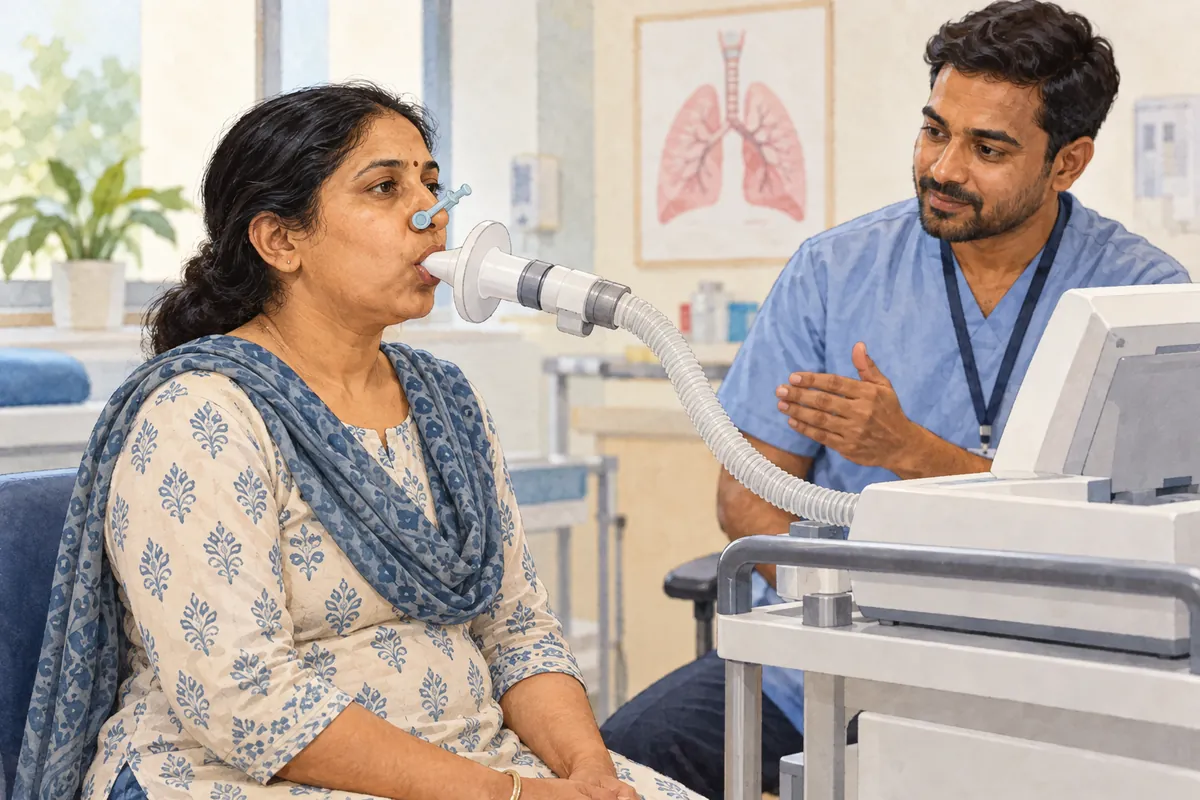
- Pulmonary function tests, which measure how well your lungs work.
- A high-resolution CT scan to look for changes in lung tissue.
- An echocardiogram, an ultrasound scan of the heart, to help assess heart function and possible pulmonary hypertension.
Your team will explain which tests you need at diagnosis and which should be repeated. The schedule depends on your findings and risk factors.
How is systemic sclerosis treated?
There is no single medicine for every aspect of systemic sclerosis. Treatment is chosen according to the symptoms and organs affected.
- Raynaud phenomenon and fingertip sores: Medicines that widen blood vessels may improve circulation. More severe problems may need specialist treatment.
- Acid reflux: Medicines that reduce stomach acid can relieve symptoms and protect the food pipe.
- Lung disease or progressive skin thickening: Your specialist may prescribe medicines that reduce immune activity or slow scarring. These require follow-up and sometimes regular blood tests.
- Pulmonary hypertension: A specialist team uses medicines directed at the blood vessels of the lungs.
- Kidney crisis: This requires urgent hospital treatment, including medicines to control blood pressure.
- Pain, stiffness and reduced hand movement: Physiotherapy or occupational therapy may help maintain function.
- Calcinosis: Calcium deposits are assessed individually. Surgery is considered for selected troublesome deposits.
Tell every clinician who treats you that you have systemic sclerosis. Steroid medicines require particular caution because higher doses can increase the risk of kidney crisis in some people. Do not start or stop prescribed medicines without discussing them with your treating team.
What can I do to reduce Raynaud attacks?
Try to keep your whole body warm, not just your hands. Layers of clothing, gloves and socks can help. Carry an extra layer for air-conditioned places, and use gloves when handling cold items.
If an attack starts, move somewhere warm and gently warm your hands, for example under your arms or in warm, not hot, water. Avoid burns from hot water or heating devices, especially while your fingers are numb.
If you smoke or vape nicotine, ask for help to stop. Nicotine narrows blood vessels and can worsen circulation. Some medicines, including certain cold remedies and stimulants, may also worsen Raynaud attacks. Ask a clinician or pharmacist before taking a new medicine; do not stop an existing prescription on your own.
Seek prompt advice for a new fingertip sore, increasing finger pain, or a finger that stays unusually pale, blue or dark after warming.
How can I care for my skin and hands?
Use a plain moisturiser regularly, especially after washing. Protect your hands from cuts, cold and harsh cleaning products. Check your fingertips for cracks or sores.
Gentle hand exercises may help you maintain movement. A hand therapist can show you exercises and suggest practical ways to manage buttons, cooking utensils or other difficult tasks. Avoid forcing a painful or damaged finger to move.
Dental care also matters. A smaller mouth opening or dry mouth can make cleaning your teeth harder. Tell your dentist about your condition and attend regular check-ups.
What can I do about heartburn?
Your clinician may suggest medicine as well as changes to eating habits. These may include eating smaller meals, avoiding foods that consistently trigger symptoms, and staying upright after eating. Raising the head of the bed may help with symptoms at night.
Tell your clinician if food sticks when you swallow, you are losing weight, or heartburn continues despite treatment. These symptoms deserve assessment.
What if I want to become pregnant?
Talk with your rheumatologist before trying to conceive. Many people with systemic sclerosis can have a successful pregnancy, but the risks depend on whether the heart, lungs or kidneys are affected and how active the disease is.
Some medicines must be changed before pregnancy. Your rheumatologist and an obstetric team experienced in higher-risk pregnancies can help you plan. Do not stop your medicines without advice.
What will life with systemic sclerosis be like?
The course of systemic sclerosis varies widely. Some people have symptoms that remain relatively stable for years. Others need treatment for changes in the lungs, skin or other organs. Your team will adjust your care based on how you feel and what monitoring tests show.
Living with visible skin changes, fatigue or limits on daily activities can be stressful. Tell your team if the condition is affecting your mood, work or relationships. Practical support, rehabilitation and counselling can be part of your care.
When should I seek medical help?
Seek urgent medical assessment if you have:
- A sudden rise in blood pressure or a reading above the level your team has told you to act on
- A new severe headache, blurred vision or confusion
- New or rapidly worsening breathlessness
- Chest pain, fainting or severe palpitations
- A finger that remains very painful or discoloured despite warming
Contact your treating team promptly if you develop a new fingertip sore, persistent cough, increasing difficulty swallowing, unexplained weight loss or worsening swelling of the legs.
Key points to remember
Systemic sclerosis can affect the skin, blood vessels and internal organs. Raynaud attacks and puffy fingers may be early signs. Treatment is tailored to the parts of the body affected, and regular checks can detect important problems before symptoms become severe. Keep your follow-up appointments and report new breathing symptoms, fingertip sores or changes in blood pressure promptly.
This is general patient information. Your specialist will tailor monitoring and treatment to your situation.