Vasculitis means inflammation of the blood vessels. Blood vessels carry oxygen and nutrients throughout the body. When a vessel becomes inflamed, it may narrow, become blocked, or weaken. This can reduce blood flow and damage the part of the body it supplies.
Vasculitis is a name for many different conditions, rather than one disease. Some forms affect only the skin and settle with treatment. Others can affect organs such as the kidneys, lungs, eyes, nerves, or brain and need urgent care. The treatment and outlook depend on the type of vasculitis and which parts of the body are involved. (Vasculitis Foundation)
Why does vasculitis happen?
In many types, the immune system mistakenly causes inflammation in blood vessels. Sometimes vasculitis occurs alongside another condition, such as rheumatoid arthritis or lupus. Certain infections or medicines can also be involved. Often, there is no single identifiable cause.
Having vasculitis does not mean that you did something to cause it.
What are the symptoms?
Symptoms vary widely. You may have general symptoms such as:
- Fever, tiredness, or feeling unwell
- Loss of appetite or weight loss without trying
- Muscle or joint pain
Other symptoms depend on the affected body part:
- Skin: Red or purple spots, a rash, painful lumps, or sores that do not heal
- Kidneys: Foamy, bloody, or dark urine; swelling of the legs or around the eyes; or high blood pressure. Kidney inflammation may cause no noticeable symptoms at first.
- Lungs: Breathlessness, a persistent cough, chest symptoms, or coughing up blood
- Nerves: Tingling, numbness, burning pain, or weakness in a hand or foot
- Eyes: Eye pain, redness, blurred vision, or loss of vision
- Nose and ears: Persistent nasal blockage, nosebleeds, sinus problems, or hearing changes
- Digestive system: Abdominal pain, vomiting, or blood in the stool
- Larger blood vessels: Pain in an arm or leg during use, a weak pulse, or a difference in blood pressure between the arms
These symptoms can occur for many reasons besides vasculitis. A medical assessment is needed to find the cause. (Vasculitis Foundation)
How is vasculitis diagnosed?
There is no single test that diagnoses every type of vasculitis. Your doctor will ask about your symptoms, examine you, and select tests based on the organs that may be affected.
You may need:
- Blood tests to look for inflammation, check organ function, and investigate possible causes. Some people have an antibody test called ANCA. Its result must be interpreted alongside the rest of the assessment.
- Urine tests to look for blood or protein, which can be early signs of kidney involvement.
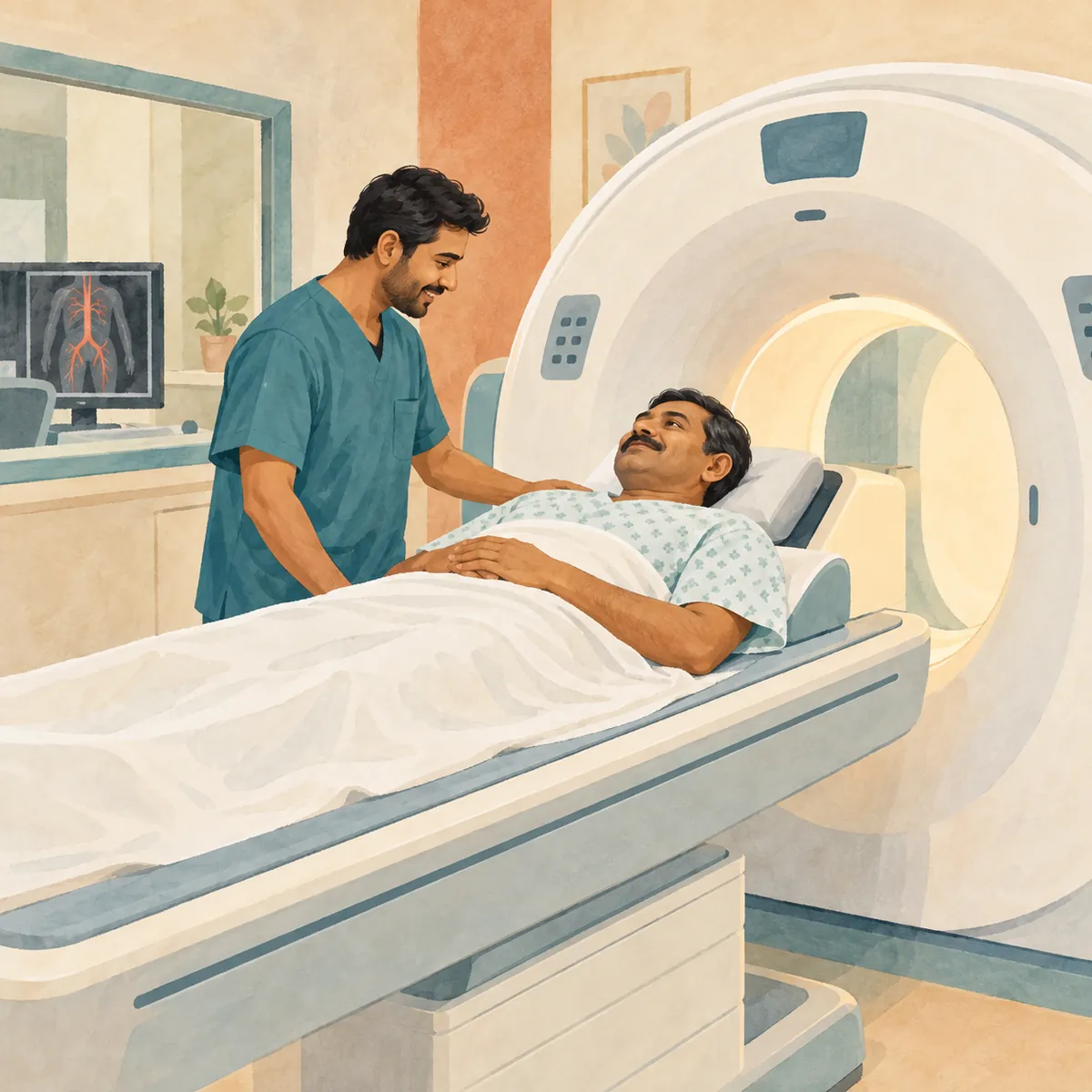
- Scans such as ultrasound, CT, MRI, or scans that show the blood vessels.
- Tests of an affected organ, such as lung function tests or nerve studies.
- A biopsy, in which a small sample of skin, kidney, or another affected tissue is examined under a microscope.
You may not need every test. Sometimes treatment must begin promptly while the team completes the assessment, particularly if an important organ is at risk. (American College of Rheumatology)
How is vasculitis treated?
The aim is to control inflammation, protect organs, relieve symptoms, and prevent the disease from returning. Your treatment depends on the type and severity of vasculitis.
Treatment may include:
- Treating an underlying cause: For example, your doctor may change a medicine thought to have triggered vasculitis or treat an associated infection.
- Steroids: These can reduce inflammation quickly. The dose and duration depend on your condition. Your doctor will usually reduce the dose when it is safe to do so because steroids can cause side effects.
- Other medicines that control the immune system: Depending on your diagnosis, these may include medicines such as methotrexate, azathioprine, mycophenolate, rituximab, or cyclophosphamide. Different medicines have different roles; none is appropriate for every type of vasculitis.
- Treatment for affected organs or complications: You may need help with blood pressure, kidney function, breathing, pain, or other problems.
Some people need treatment for a limited period. Others need longer treatment to prevent relapses. Do not stop or change prescribed medicines on your own, even when you feel well.
Will the medicines cause side effects?
They can, although the risks differ between medicines. Steroids may increase the risk of infection, raise blood sugar or blood pressure, and weaken bones when used for longer periods. Medicines that calm the immune system can also increase infection risk and may require regular blood tests.
Your team will explain the risks relevant to your treatment and may recommend vaccines or medicines to help prevent complications. Tell them promptly about possible side effects.
What can I do to look after myself?
- Attend follow-up visits and tests. Blood and urine tests can detect problems before you feel symptoms.
- Take your medicines as prescribed. Keep an up-to-date list of everything you take.
- Report new symptoms. They could be caused by active vasculitis, an infection, or a medicine side effect; your doctor can help distinguish between them.
- Avoid smoking. Ask for support if you need help quitting.
- Stay active within your abilities. Your team can help you return gradually to activity when the disease is controlled.
- Ask about vaccinations before receiving them, particularly if you take medicines that suppress the immune system.
- Seek support if you are struggling emotionally. Living with an unpredictable illness can be stressful, and help is available.
Can vasculitis come back?
Yes. Some types can flare after a period of improvement. A new symptom does not always mean a flare: infection and treatment side effects can look similar. Contact your treating team so they can assess what is happening. Continue your planned follow-up even when you feel well.
What if I want to get pregnant?
Talk with your rheumatologist before trying to conceive. It is usually best to plan pregnancy when your disease is well controlled. Some vasculitis medicines must be changed well in advance, while others may be continued under medical supervision. Your team can help plan care during pregnancy and after delivery.
When should I seek medical help?
Seek urgent medical attention if you develop:
- Sudden loss of vision or a new, significant change in vision
- Coughing up blood or severe difficulty breathing
- Chest pain, fainting, or symptoms of a stroke, such as facial drooping, arm weakness, or trouble speaking
- A new severe headache, especially with jaw pain while chewing or visual symptoms
- A suddenly cold, very painful, or weak arm or leg
Contact your treating team promptly if you develop fever or chills, dark or bloody urine, new swelling, worsening numbness or weakness, a new rash or sores, or any other symptom they have asked you to watch for.
What will life with vasculitis be like?
The course of vasculitis differs from person to person. Many people improve substantially with treatment and continue their usual activities. Some need ongoing medicines and monitoring, while others have long periods without active disease. Knowing your specific type of vasculitis, the organs it affects, and your follow-up plan will help you take an active part in your care.