Sjögren’s disease (pronounced SHOW-grins) is an autoimmune condition. It commonly causes dry eyes and a dry mouth, but it can also cause fatigue, pain and symptoms in other parts of the body.
The immune system normally helps protect you from infection. In Sjögren’s disease, it can cause inflammation in the glands that make tears and saliva, reducing the moisture they produce. Sjögren’s disease may occur on its own or alongside another autoimmune condition, such as rheumatoid arthritis or lupus.
What symptoms can Sjögren’s disease cause?
Symptoms vary from person to person. Some people mainly have dry eyes or mouth. Others also have fatigue, joint symptoms or problems elsewhere in the body. Symptoms may change over time.
Dry eyes
Your eyes may:
- Feel gritty, as though sand is in them
- Burn, sting or itch
- Look red or water excessively
- Become sensitive to light
- Feel tired when reading or using a screen
- Have blurred vision that comes and goes
Watery eyes can seem surprising when your eyes feel dry. Irritation can sometimes trigger watering even when the tear film is not keeping the eye surface comfortable.
Dry mouth
You may notice that you:
- Need water to swallow dry food
- Wake at night because your mouth feels dry
- Have difficulty speaking for a long time
- Have a sticky feeling in your mouth or throat
- Notice changes in taste
Saliva helps protect your teeth and mouth. When there is less of it, cavities, gum problems and mouth infections, including thrush, can become more likely. Some people develop soreness or swelling in the salivary glands near the ears or under the jaw.
Fatigue and pain
Fatigue in Sjögren’s disease can be more than ordinary tiredness. It may affect concentration, work and daily activities. Some people also have aching muscles, painful joints or swollen joints.
Fatigue and pain can have several contributing causes, including poor sleep, other medical conditions or fibromyalgia. Tell your clinician what you are experiencing so these possibilities can be considered rather than assuming every symptom has the same cause.
Dryness elsewhere
Sjögren’s disease may also contribute to dry skin, lips, nose or throat. Vaginal dryness can cause discomfort or pain during sex. Tell your clinician about symptoms that affect your daily life; treatments are available for these areas too.
Can Sjögren’s disease affect more than the glands?
Yes. Sjögren’s disease can sometimes affect other organs and tissues. Possible symptoms include joint swelling, a persistent cough or breathlessness, numbness or burning in the hands or feet, and unusual rashes such as purple spots on the lower legs. Kidney and other internal problems may be found on tests even before they cause clear symptoms.
These symptoms have many possible causes. Report them so your clinician can decide what needs investigation. Treatment for organ involvement is different from treatment for dryness alone.
Does Sjögren’s disease increase the risk of lymphoma?
People with Sjögren’s disease have an increased risk of lymphoma, a cancer of cells in the immune system. Most people with Sjögren’s disease do not develop lymphoma.
Tell your clinician if you notice a new or persistent swelling of a salivary gland, enlarged glands in the neck, armpit or groin, unexplained weight loss, or drenching night sweats. These symptoms do not necessarily mean lymphoma, but they should be assessed.
Does having dry eyes or a dry mouth mean I have Sjögren’s disease?
No. Dryness is common and can have other causes. Some medicines can reduce tear or saliva production. Eye conditions, mouth breathing, dehydration and other health problems may also contribute.
Your clinician will review your symptoms and medicines before deciding which tests are useful. Do not stop a prescribed medicine on your own because you think it may be causing dryness; ask whether it can be adjusted or changed safely.
How is Sjögren’s disease diagnosed?
No single test tells the whole story. Your clinician brings together your symptoms, examination and test results. You may see a rheumatologist, an ophthalmologist and a dentist or oral health professional as part of your assessment.
Tests may include:
- Eye tests: These may measure tear production and look for changes on the eye surface.
- Saliva tests: These measure how much saliva your mouth produces.
- Blood tests: These may check for antibodies associated with Sjögren’s disease, including anti-Ro/SSA, and assess your general health.
- A lower-lip biopsy: In selected cases, a clinician removes a small sample containing tiny salivary glands. It is examined for a characteristic pattern of inflammation.
- Salivary gland ultrasound: This may provide additional information about the glands in some circumstances.
A positive antibody test by itself does not establish the diagnosis, and a negative result does not always rule it out. Your clinician will explain how your results fit together. A lip biopsy is generally considered when the diagnosis remains uncertain after other assessment.
How is Sjögren’s disease treated?
There is currently no treatment that cures Sjögren’s disease. Care focuses on relieving symptoms, protecting the eyes and teeth, and treating inflammation elsewhere in the body when needed. Your plan will depend on which symptoms you have.
Treatment for dry eyes
Lubricating eye drops, sometimes called artificial tears, are often the starting point. Eye gels or ointments may be helpful at night. If you need drops frequently or find that they irritate your eyes, ask your eye specialist whether a preservative-free product would suit you.
An ophthalmologist may recommend other treatments if dryness is severe or the eye surface is inflamed. These can include prescription eye drops or punctal plugs, which reduce the drainage of tears from the eyes. Do not start steroid eye drops without specialist advice.
Seek urgent eye assessment if you have significant eye pain, marked redness, light sensitivity or a new reduction in vision. These symptoms need examination rather than simply more lubricating drops.
Treatment for dry mouth
Small, frequent sips of water may help. Sugar-free gum or lozenges can stimulate saliva if your glands still make some. Saliva substitutes, such as sprays or gels, may help when the mouth feels very dry.
For troublesome symptoms, your clinician may consider a prescription medicine such as pilocarpine to increase saliva production, if it is suitable for you. It can cause side effects, including sweating, so discuss the expected benefit and possible problems before taking it.
Treatment for pain, fatigue and other problems
Treatment depends on what is causing the symptom. Joint pain without swelling may need a different approach from clearly inflamed joints. Your clinician may discuss activity, sleep, pain relief or, in selected circumstances, a medicine such as hydroxychloroquine. Its benefit is not the same for everyone, and it is not a substitute for eye and mouth care.
If Sjögren’s disease affects an internal organ, a specialist may recommend medicines that reduce immune system activity. These treatments are chosen for the specific problem and its severity; they are not routinely needed for dry eyes and mouth alone.
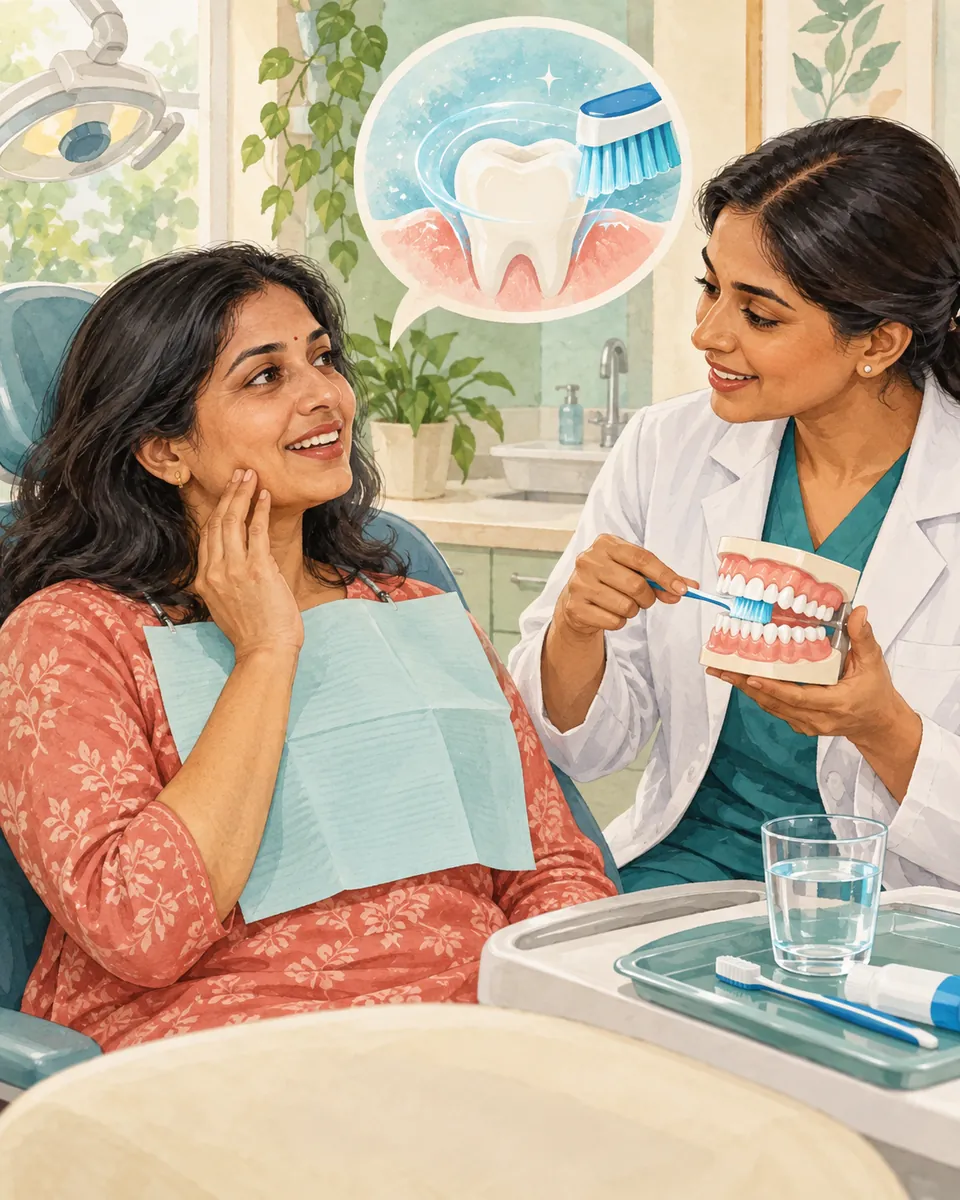
Why is dental care especially important?
Saliva helps wash away food and protect teeth. With less saliva, tooth decay can develop more easily, sometimes even when you brush regularly.
Arrange regular dental reviews and tell your dentist that you have Sjögren’s disease. Brush with fluoride toothpaste, clean between your teeth and ask whether you need additional fluoride treatment. Choose sugar-free gum or lozenges rather than sweets or sugary drinks to manage dryness. Your dentist can tailor advice to your risk of cavities.
Tell your dentist or doctor if you have a sore mouth, white patches, difficulty wearing dentures or new tooth problems. Mouth infections and dental problems can be treated.
What can I do day to day?
Make dry eyes more comfortable
Take breaks during long periods of screen use or reading. Avoid air blowing directly into your face from a fan, air conditioner or vehicle vent. Glasses that protect your eyes from wind may help outdoors. Ask your ophthalmologist which lubricating drops and routine suit your symptoms.
Manage dry mouth
Keep water available, particularly when eating dry foods. Sugar-free gum or lozenges may help. Avoid repeatedly using sugary sweets or drinks for relief, as these increase the risk of cavities. Ask about saliva substitutes if water alone is not enough.
Care for other dry areas
Lip balm and a gentle skin moisturiser may ease dryness. A vaginal moisturiser or lubricant may help with vaginal dryness; discuss persistent discomfort with your clinician. New urinary or genital symptoms should be assessed, because dryness is not their only possible cause.
Stay active and plan around fatigue
Regular, manageable physical activity can help maintain strength and general wellbeing. Start at a level that suits you and build gradually. If fatigue is interfering with daily life, discuss sleep, other health conditions and ways to spread demanding tasks throughout the day. Exercise may help, but you should not feel expected to push through severe symptoms.
What if I am planning pregnancy?
Many people with Sjögren’s disease can have a healthy pregnancy. Speak to your rheumatology team before trying to conceive so they can review your medicines and relevant antibody tests.
If you have anti-Ro/SSA or anti-La/SSB antibodies, your pregnancy team may recommend additional monitoring. These antibodies are associated with a small risk of certain problems in the baby, including an abnormal heart rhythm. Your team can explain your individual risk and plan care with you. Do not stop prescribed treatment without discussing an alternative plan.
What if I need surgery?
Tell your surgical and anaesthesia teams that you have Sjögren’s disease and which medicines you take. This helps them plan for eye, mouth and airway dryness and review any treatment that may affect your care around the operation.
When should I seek medical help?
Contact your healthcare team if:
- Dry eyes or mouth remain troublesome despite treatment.
- You develop new tooth problems, mouth soreness or recurrent mouth infections.
- A salivary gland becomes swollen, especially if the swelling persists.
- You develop swollen joints, unusual rashes, numbness, a persistent cough or breathlessness.
- Fatigue is significantly affecting daily life.
- You are planning pregnancy or need advice about your medicines.
Seek urgent eye assessment for significant eye pain, marked redness, light sensitivity or a new reduction in vision. Seek prompt medical assessment if you become acutely unwell or develop rapidly worsening breathlessness.
Questions worth asking at your next appointment
- What evidence supports my diagnosis of Sjögren’s disease?
- Have other causes of my dryness been considered?
- What eye treatment should I use, and when should I see an ophthalmologist?
- How often should I see a dentist, and do I need extra fluoride protection?
- Do I have signs of inflammation outside the eyes and mouth?
- Which new symptoms should I report between appointments?
- Are any of my medicines making dryness worse?
- What should I discuss with you before pregnancy or surgery?
Key points to remember
Sjögren’s disease commonly causes dry eyes and a dry mouth, but it can also cause fatigue, pain and problems elsewhere in the body. Diagnosis brings together symptoms, examination and appropriate tests. Regular eye and dental care help prevent avoidable complications. Treatments for dryness can make daily life more comfortable, while symptoms of organ involvement need their own assessment and treatment plan.
This information is general. Discuss your diagnosis, treatments and follow-up plan with your own healthcare team.